
ARAISE
Training medical emergencies true to life – with Augmented Reality and AI
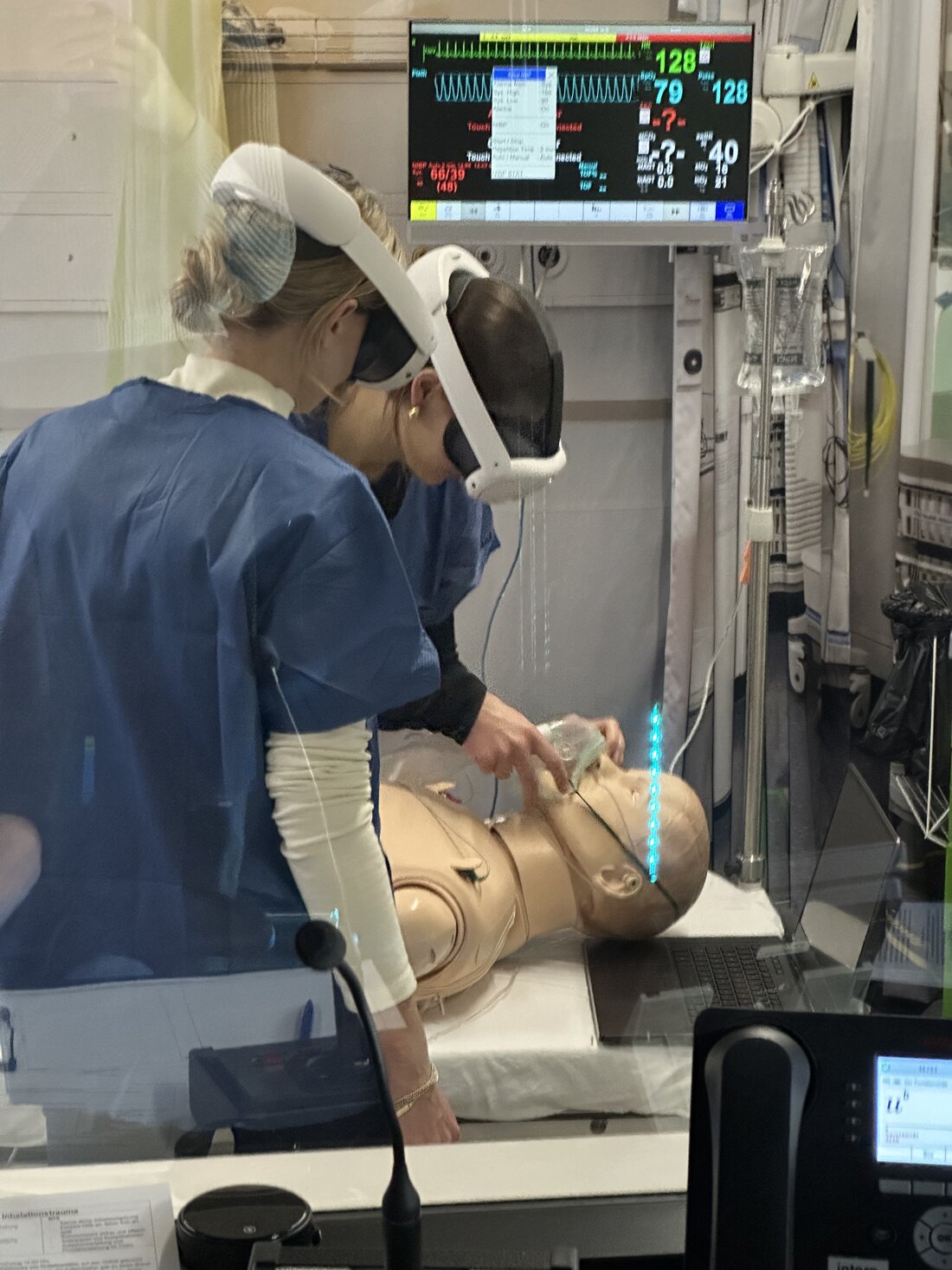
The ARAISE project extends medical and nursing simulations with Augmented Reality (AR) and Artificial Intelligence (AI). This creates more realistic, more interactive and more hands-on training situations for students.
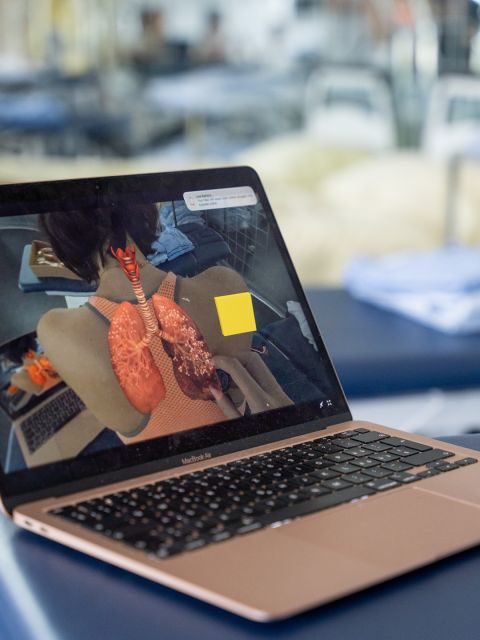
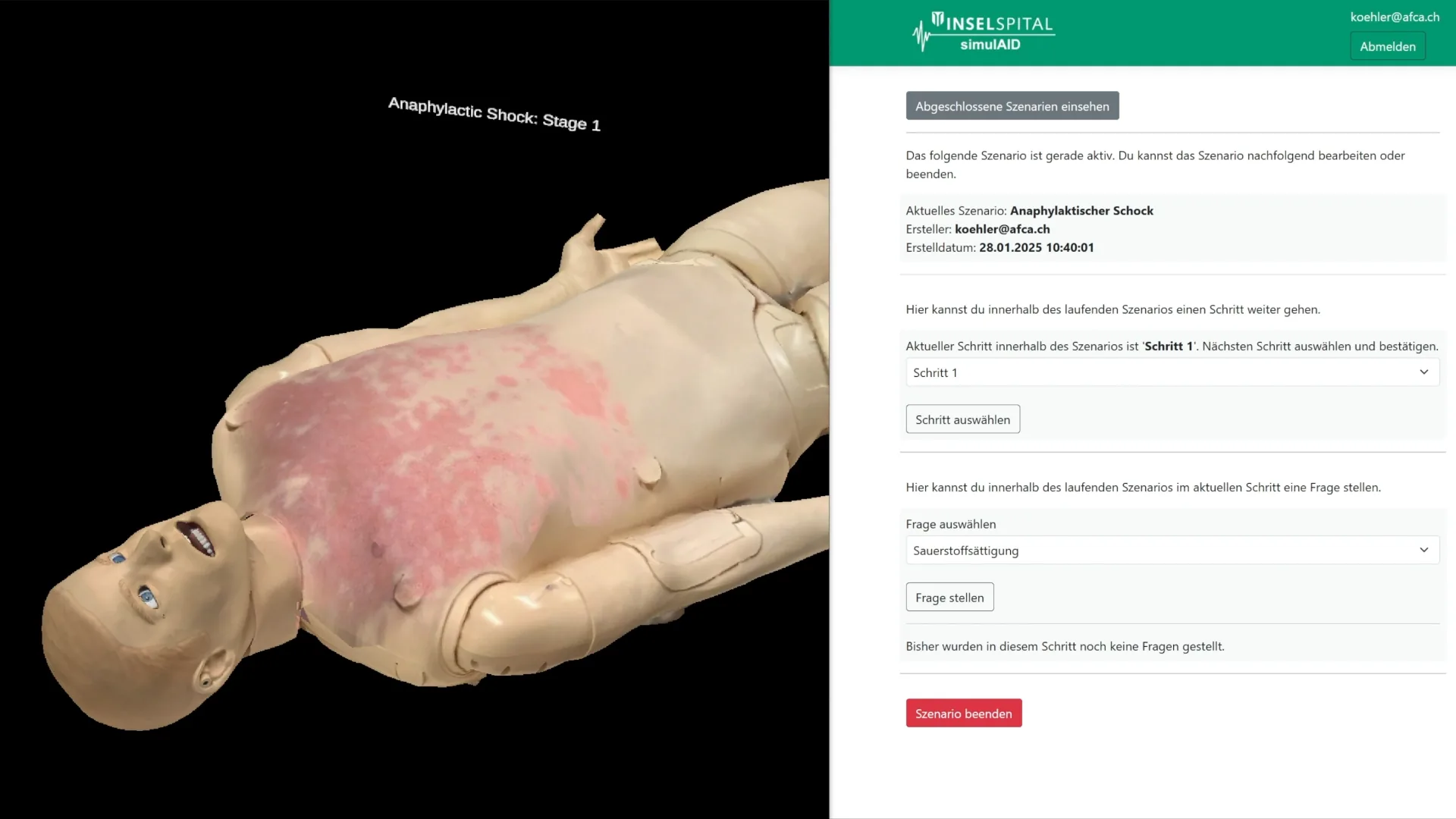
In existing simulations, important clinical cues can often only be represented to a limited extent. These include, for example, skin discolouration caused by oxygen deficiency or allergic reactions, abnormal breathing sounds and typical background noises from everyday clinical life. Using AR, ARAISE makes such visual and auditory signals visible and audible on simulation manikins or fellow learners. AI elements can further enhance the simulation through autonomous communication and real-time feedback.
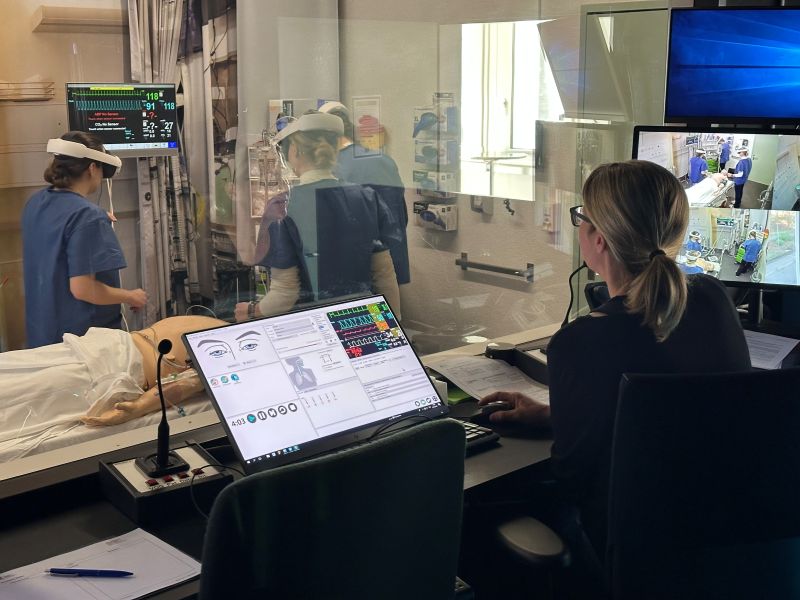
ARAISE helps students experience complex situations under safe and controlled conditions. They can sharpen their perception, correctly interpret clinical cues and practise decisions before they face comparable situations in their professional lives.
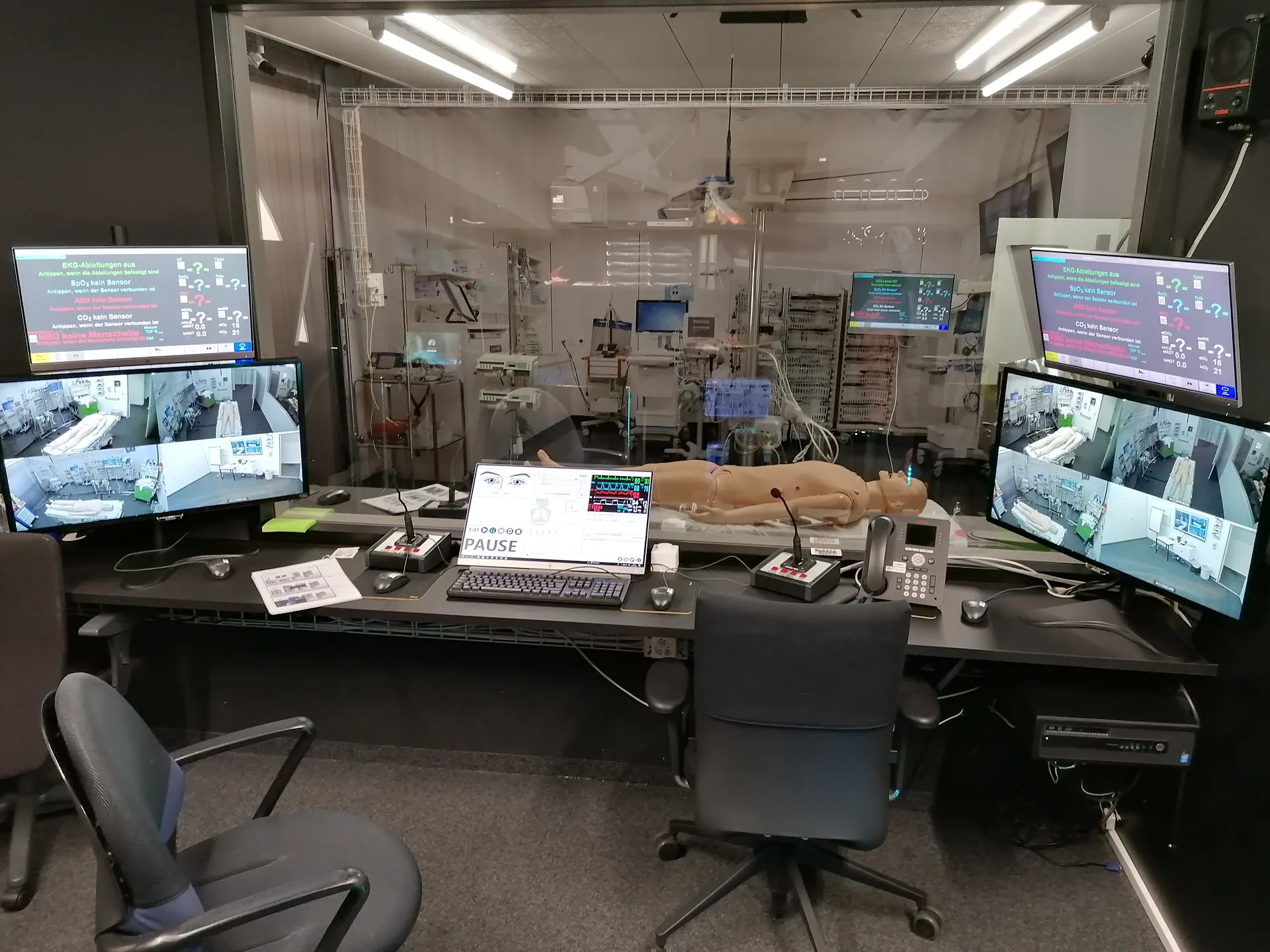
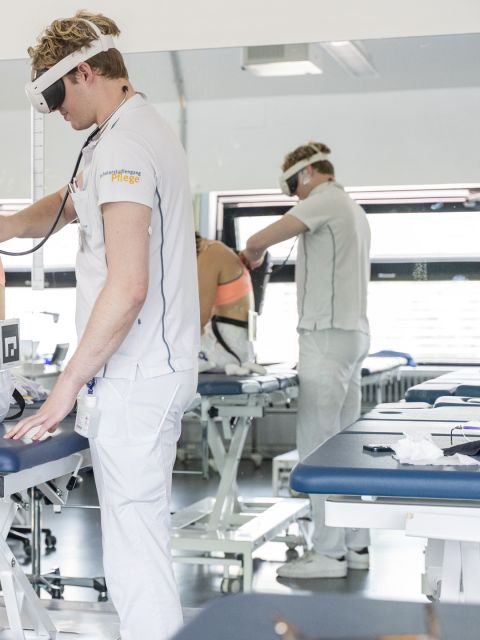
ARAISE is being developed and tested in two use cases: at the BESIC simulation centre and in the training of students at the Bern University of Applied Sciences (BFH). In both contexts, ARAISE supports various clinical conditions and case scenarios – from allergic reactions (anaphylaxis) to pulmonary oedema.
- Train more realistically: Visual and acoustic symptoms make medical case examples more credible and immersive.
- Strengthen situational awareness: Students learn to recognise relevant cues early and to assess them in the overall context.
- Practise clinical decisions: Complex procedures can be trained repeatedly without any risk to patients.
- Enhance existing simulations: The platform complements exercises with fellow students or simulation manikins, without necessarily requiring costly high-fidelity infrastructure.
- Support individual learning: Interactive AI features and real-time feedback open up new possibilities for independent and focused training.
- Relieve instructors: Automated elements can support supervision and enable a more targeted use of available resources.
- Improve patient safety: Hands-on training prepares future professionals better for real clinical situations.
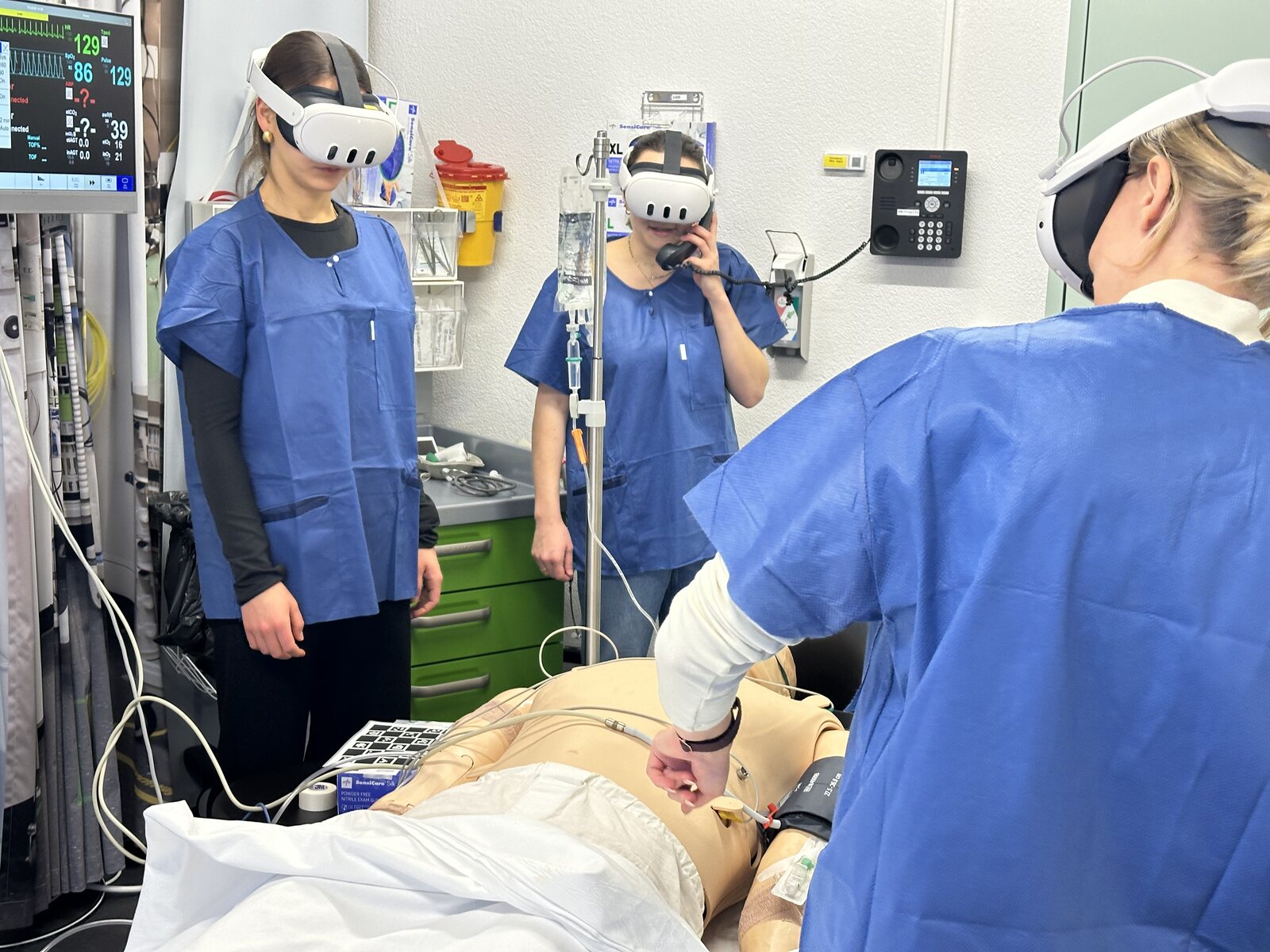
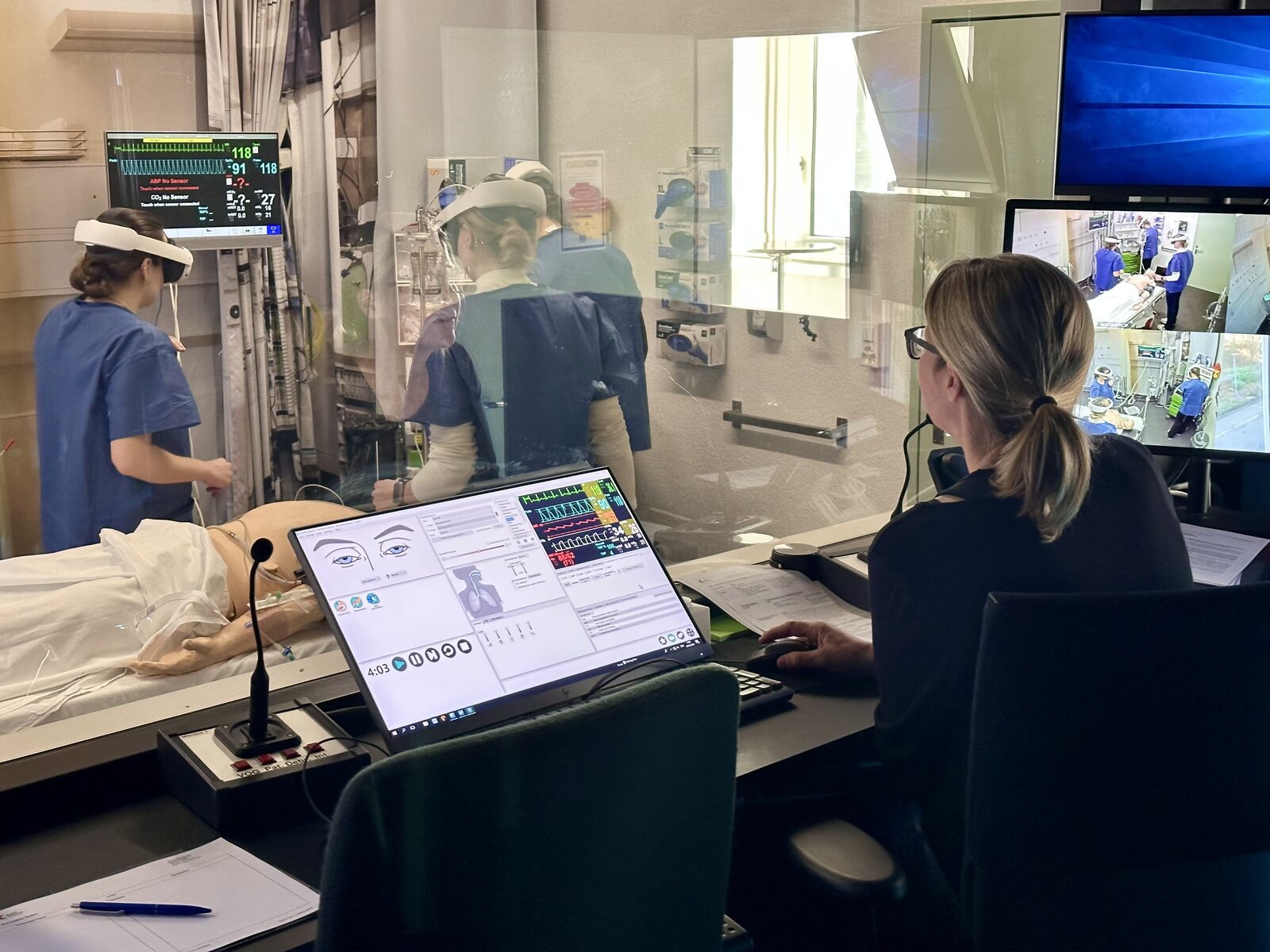
afca develops the web-based interface for controlling and integrating the functions as well as the application for extended-reality devices. The platform is being created in close collaboration with the University of Bern, the University Department of Emergency Medicine and the Bern University of Applied Sciences. Students and simulation trainers are actively involved in the development and testing as part of a co-design approach.
The scenarios developed are piloted in existing simulation courses and studied scientifically. Among other things, usability, clinical accuracy, situational awareness, learning satisfaction and the performance of the AI are evaluated. In this way, ARAISE combines technological innovation with concrete requirements from teaching and clinical practice. The project runs from September 2025 to February 2027.
See potential for your project?
We'll turn your vision into reality with you.